By Private Advisor Group Marketing Team
For decades, investment management served as the centerpiece of many advisory relationships. But as clients gain easier access to investment information, model portfolios and AI-powered tools, some advisors are finding that the most valuable conversations have little to do with market returns.
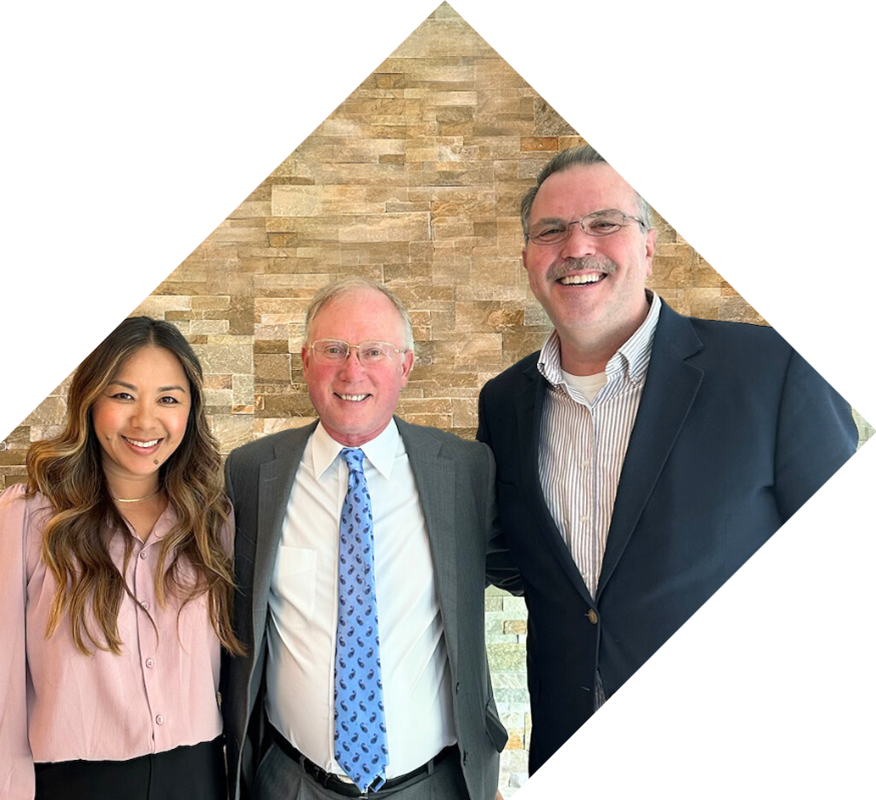
During a 2026 Streamline Conference panel discussion, Jeffrey Byas of Byas Wealth Management and John Strasburger of Capital Planning Wealth Management described how putting financial planning at the center of the client relationship has changed the questions clients ask, the trust they build and the growth of their firms.
Byas runs a lean practice, mostly referral-driven, where he’s still the one in the room for every client conversation. Strasburger is part of a 17-person team at Capital Planning, with seven advisors and a bench of specialists behind them. The discussion, hosted by Private Advisor Group’s Director of Growth and Engagement, John Farnham, demonstrated that while their financial practices differ significantly in size and structure, both share the same philosophy: financial planning creates a more meaningful framework for advice than investments alone.
Clients Want Guidance, Not More Information
One of the strongest themes from the discussion was that helping clients interpret information is now more valuable than simply providing it.
Clients can research investments online, analyze portfolios and increasingly turn to AI for answers. But according to both advisors, information alone rarely leads to better decisions.
Byas compared the current AI wave to the rise of the internet years ago. Investors have more information than ever, but many remain overwhelmed by it. The advisor’s role is not simply providing answers. It is providing focus.
As Strasburger put it, clients are not necessarily coming in looking for a better portfolio. They want confidence that they are not missing opportunities, overlooking risks or making avoidable mistakes. Questions such as: Can I retire at 62? Can I still take the trip? Does my lifestyle and spending plan work financially? What happens if the market turns before I need this money?
The result is a shift from investment questions to life questions. Instead of asking about the latest investment trend, clients are increasingly asking how financial decisions affect the goals they care about most.
Financial Planning Gives Investments a Purpose
Farnham shared that only about a third of Americans have a written financial plan, yet nearly all who do report confidence in achieving their goals. That’s the gap both advisors have built their practices around.
Byas reflected that when you lead with investments, the conversation naturally becomes performance-driven. What’s my return? Why isn’t it beating the S&P? He spent years running the business that way before making planning the foundation of every relationship.
Strasburger noted that understanding a client’s goals, time horizon, liquidity needs and comfort with risk make the investment discussion far more productive. Rather than constructing a portfolio first and building a story around it later, planning establishes the destination before determining the route.
That distinction becomes especially important during market downturns.
Byas said planning conversations help clients prepare for periods of volatility before they occur. Rather than reacting emotionally when markets decline, clients can evaluate whether they remain on track to achieve their goals.
“If we plan appropriately, we are showing them, here’s what happens when the market goes down. You’re still able to accomplish your goals.”
Once a plan exists, the investments stop being the point of the meeting. They become the mechanism for hitting the goals that are already written down. He put it simply: “Money isn’t the goal. It’s the resource we use to get to our goals.”
That profound shift changes the nature of difficult conversations. Instead of focusing on short-term performance, advisors can return clients to the long-term plan and the bigger purpose behind their investments.
Technology Is Lowering the Barrier to Entry
One concern often raised by advisors considering a planning-first approach is whether they have the infrastructure to support it.
The panelists suggested that concern may be overstated.
Byas operates as a solo practitioner and relies heavily on technology to extend his capabilities. Planning software, meeting transcription tools, tax planning applications and AI tools allow him to deliver a broader range of advice while maintaining a lean operation.
Strasburger’s firm utilizes a larger team and specialized staff, but he emphasized that the core requirement is not headcount. It is process.
Both advisors pointed to technology as an accelerator rather than a replacement for advice. Platforms referenced included eMoney, Holistiplan, and Nitrogen. By reducing administrative work and simplifying complex analyses, technology allows advisors to spend more time understanding clients and less time managing workflows.
Importantly, neither suggested advisors need to implement everything at once.
Byas encouraged advisors to start with the areas where they already feel confident, then gradually expand their capabilities over time. He believes that the technology gap is the most solvable part of all of this. “Learning eMoney, or Holistiplan, or whatever tool fits your practice, is a matter of time and reps. The harder shift, and the one that actually moves the business, is deciding that the first conversation with a client is going to be about their life before it’s about their money.”
The First Meeting May Matter Most
For advisors looking to incorporate more planning into their practices, both panelists pointed to a deceptively simple starting point: change the first meeting.
Rather than discussing investments, solutions or products, they recommend spending that time understanding the client.
What does retirement look like to them? What concerns are keeping them up at night? What decisions are they trying to make? What does a successful outcome look like?
Strasburger shared that removing investments from the initial conversation changes the dynamic entirely. Clients recognize that the advisor is trying to understand them rather than sell them something.
That conversation often reveals opportunities far beyond portfolio management, including tax planning, estate considerations, insurance decisions and major life transitions.
The result is not simply a better financial plan. It is a deeper understanding of what the client is trying to accomplish and a more holistic view into structuring a plan to meet those needs.
Interestingly, both of them pointed to the same evidence when asked whether clients are more satisfied with this approach: referrals keep coming, clients stick around through rough markets, and the tone of a review meeting is calmer than it used to be. Strasburger mentioned clients who leave a meeting relieved, sometimes literally hugging him on the way out, because they finally have clarity they didn’t have before.
Conclusion
Although Byas Wealth Management and Capital Planning operate very differently, the two firms arrived at a remarkably similar model. Financial planning comes first; investments support the plan, while technology and a defined process make it scalable.
As clients face increasing complexity, the ability to deliver advice through a structured planning framework may be one of the strongest differentiators an advisory firm can offer.
The panelists also discussed in depth how to structure fees for financial planning but that content is exclusive to affiliated advisors and Streamline attendees. If you’d like to discuss financial planning within your practices, don’t hesitate to drop us a note.